

Irish Historic Flight Foundation
Fleet
Explore the living legacy of Ireland’s aviation heritage through our airworthy fleet of classic aircraft.
The Irish Historic Flight Foundation (IHFF) maintains a small but significant collection of airworthy historic aircraft that reflect pivotal chapters in Irish and global aviation history. These aircraft are not museum pieces — they fly at events, airshows, and outreach activities throughout Ireland, showcasing the evolution of pilot training and classic aviation design.
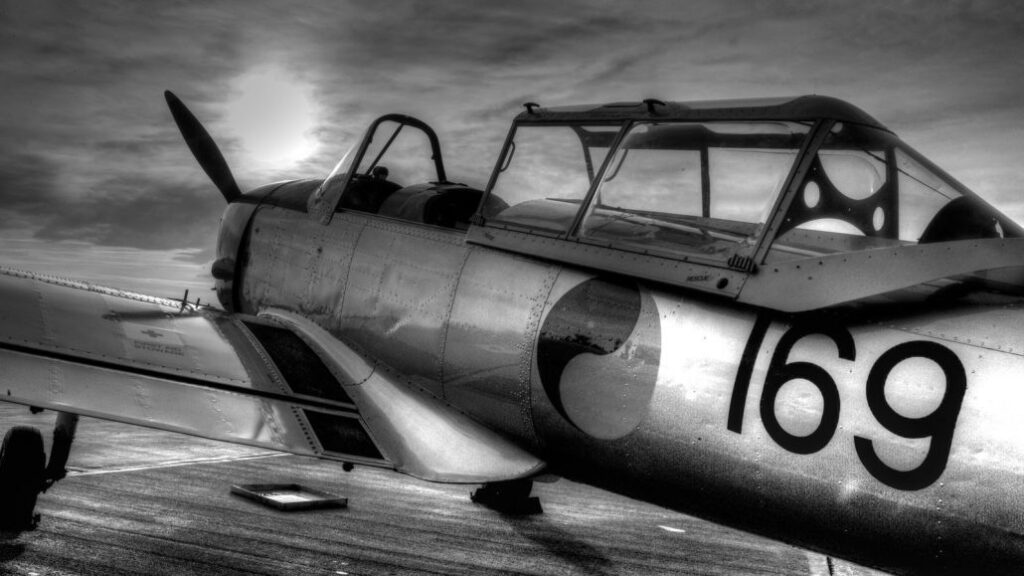
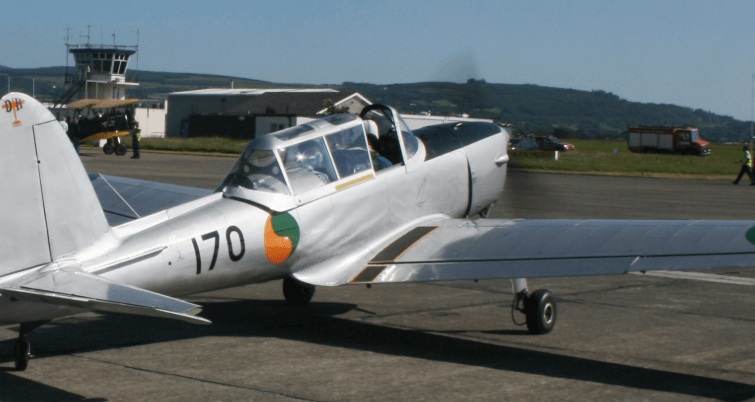
de Havilland DHC-1 Chipmunk
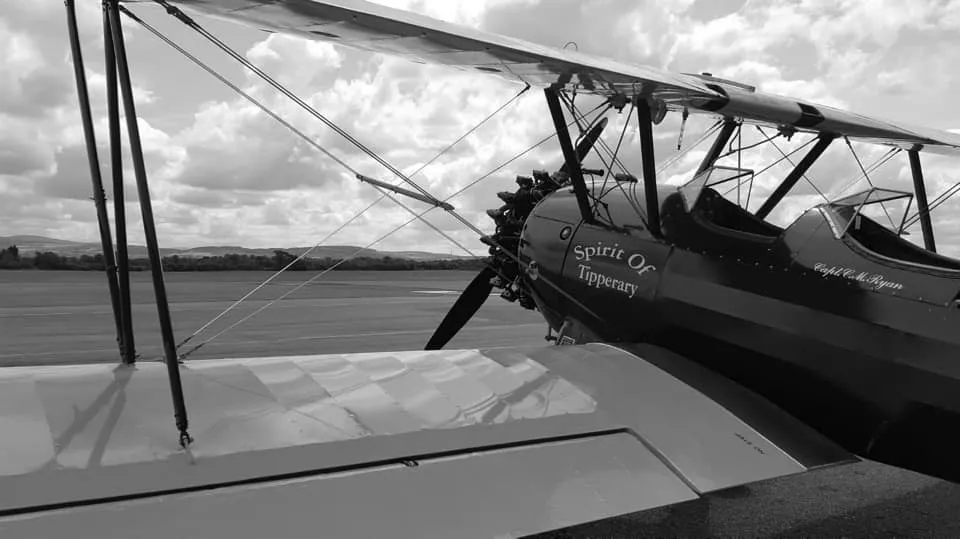
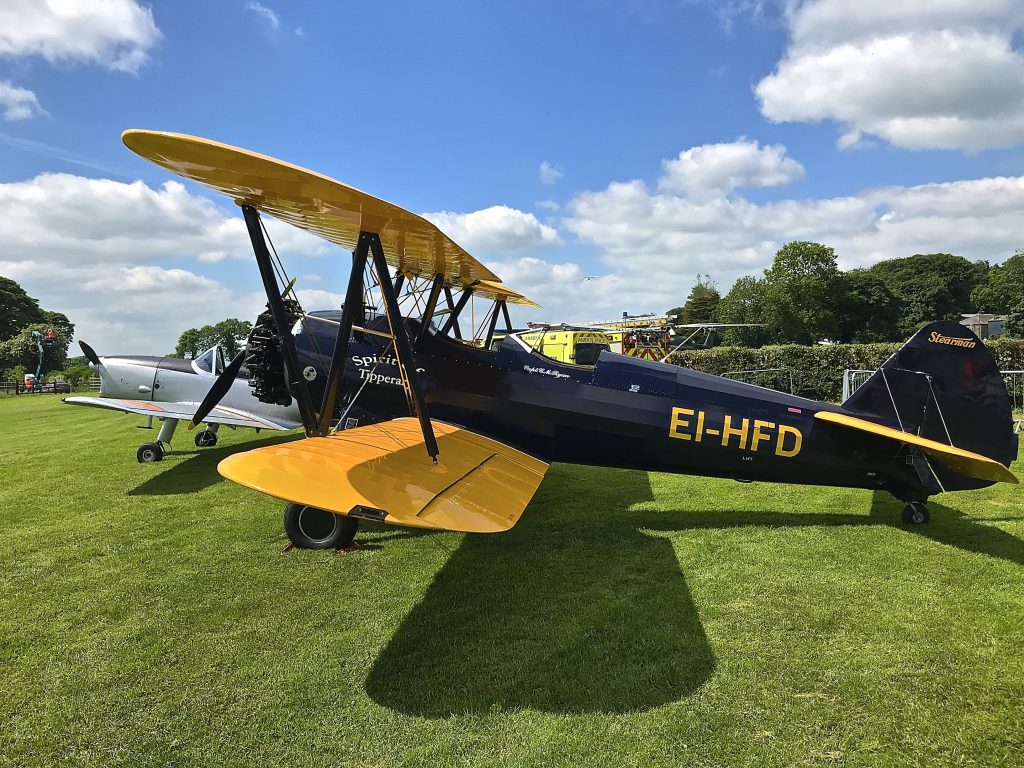
Boeing Stearman Model-75
de Havilland Canada DHC-1 Chipmunk
Irish History In The Sky
The de Havilland Canada DHC-1 Chipmunk is a tandem two-seat primary trainer aircraft originally designed in the aftermath of World War II to replace earlier biplane trainers such as the Tiger Moth. First flown in 1946, the Chipmunk went on to become one of the most widely used post-war training aircraft worldwide.
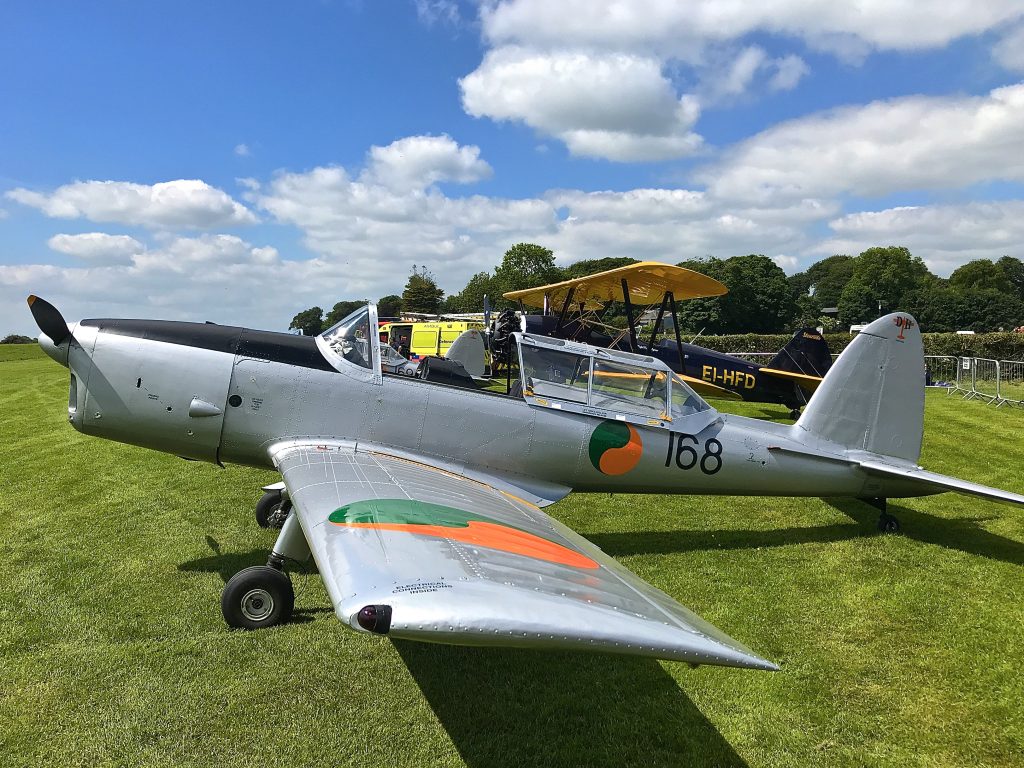
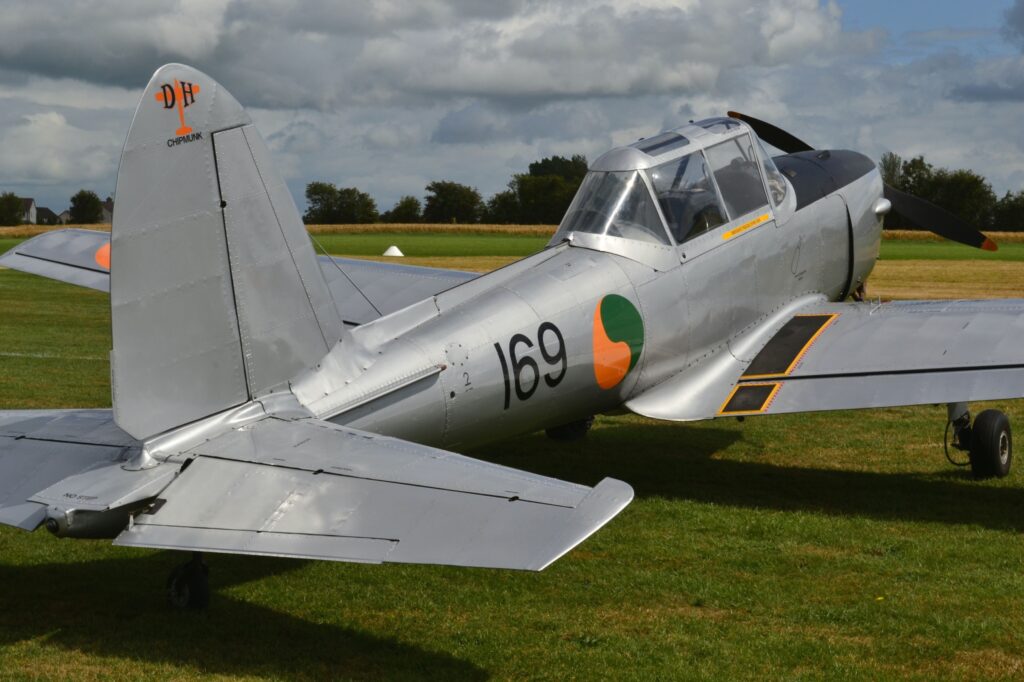
IHFF operates three Chipmunks painted in classic Irish Air Corps colours, which often fly in tight three-ship formation displays at fly-ins, national events and airshows nationwide.
Historical Role
The Chipmunk Role In Irish Aviation
In Ireland, Chipmunks were adopted as basic trainers by the Irish Air Corps beginning in the early 1950’s, playing a key role in pilot training for several decades. They were appreciated for their simplicity, agility, and reliability, making them ideal for both initial flight instruction and formation flying.
Each airframe has its own unique story – some served in military roles abroad before joining the IHFF fleet, highlighting the global reach and longevity of the Chipmunk design.
Specifications
- Crew: 2
- Engine: de Havilland Gipsy Major Mk 10 inline piston (≈145 hp)
- Wingspan: ~10.46m (34ft 4in)
- Length: ~7.75m (25ft 5in)
- Maximum Take-Off Weight: ~952kg (2,100 lb)
- Cruise Speed: ~ 200 km/h (124 mph)
- Range: ~ 450 km (243 NM)
- Service Ceiling: ~ 5,000m (16,000 ft)
- Configuration:
- Wing: Low-wing monoplane
- Landing Gear: Fixed tailwheel undercarriage
- Seating: Tandem
Please note that these specifications represent original design. In some cases, for reliability or airworthiness, technical aspects may be changed.
Boeing Stearman Model 75
Spirit of Tipperary
The Boeing Stearman Model 75 is an iconic American biplane designed in the early 1930’s as a military primary trainer. Thousands were built for the United States Army Air Forces, Navy, and allied forces during the lead-up to and through World War II, where they trained generation after generation of pilots.
The IHFF Stearman – often referred to by its nickname “Spirit of Tipperary” – is a radial-engine biplane that brings an authentic vintage flying experience to Irish skies. It represents a direct link to the era of open-cockpit flying and what many consider to be the golden era of aviation.
History of EI-HFD
The Spirit of Tipperary
The Boeing Stearman in the IHFF fleet was built in 1943 and initially served in the United States Navy before many aircraft of this type entered civilian hands after military retirement. In the decades following World War II, the IHFF Stearman passed through private ownership and was restored before joining the Irish Historic Flight Foundation’s collection in 2016.
Today it flies in distinctive “Spirit of Tipperary” markings, delighting crowds with its classic biplane silhouette, roaring engine sound, and barnstorming aerobatics at airshows and events across Ireland.
General Technical Specifications
- Crew: 2
- Engine: Lycoming R-680 series radial engine (≈220-240hp)
- Wingspan: ~9.81m (32ft 2in)
- Length: ~7.54m (24ft 9in)
- Max Takeoff Weight: ~1,233kg (2,717 lb)
- Cruise Speed: ~171 km/h (106mph)
- Range: ~800km (approx)
- Service Ceiling: ~4,000m (13,200ft)
- Configuration:
- Wing: Biplane
- Gear: Fixed
- Seating: Tandem
Why Our Fleet Matters
The IHFF fleet is more than a collection of old aircraft:
Rare & Airworthy
Each aircraft in the IHFF collection is a rare survivor of a pivotal era in aviation. By keeping our fleet airworthy, the IHFF preserves the physical heritage of Ireland’s aviation for future generations.
Authentic Flying Experience
The sound, movement, and presence of a Chipmunk in formation or a Stearman overhead cannot be replaced by a static display. Flying these aircraft allows people to experience history as it was meant to be seen.
Skills & Heritage
Operating historic aircraft requires techniques that are increasingly uncommon in modern aviation. The IHFF fleet is a tangible link between Ireland’s aviation past and present. Preserving skills alongside the aircraft themselves.
Support Our Flying Heritage
Maintaining and flying historic aircraft requires ongoing care, parts, and specialist expertise. If you’d like to support the IHFF fleet and help keep these iconic aircraft flying for future generations, visit our donations page. 100% of donations goes directly into the maintenance & operation of our fleet.