

Boeing
Stearman Model 75
Aircraft Overview
The Boeing Stearman Model 75 is one of the most recognisable and widely produced training aircraft in aviation history. Developed in the mid-1930s and built in vast numbers during the Second World War, the Stearman became the primary trainer for thousands of military pilots, introducing them to powered flight before progression to advanced and combat aircraft.
Robust, forgiving, and unmistakable in appearance, the Stearman embodies the final evolution of the classic biplane trainer. Its combination of simple construction, strong flight characteristics, and mechanical durability ensured its place as a cornerstone of Allied pilot training and later as a civilian workhorse and display aircraft.
Historical Context and Development
Pre-War Origins
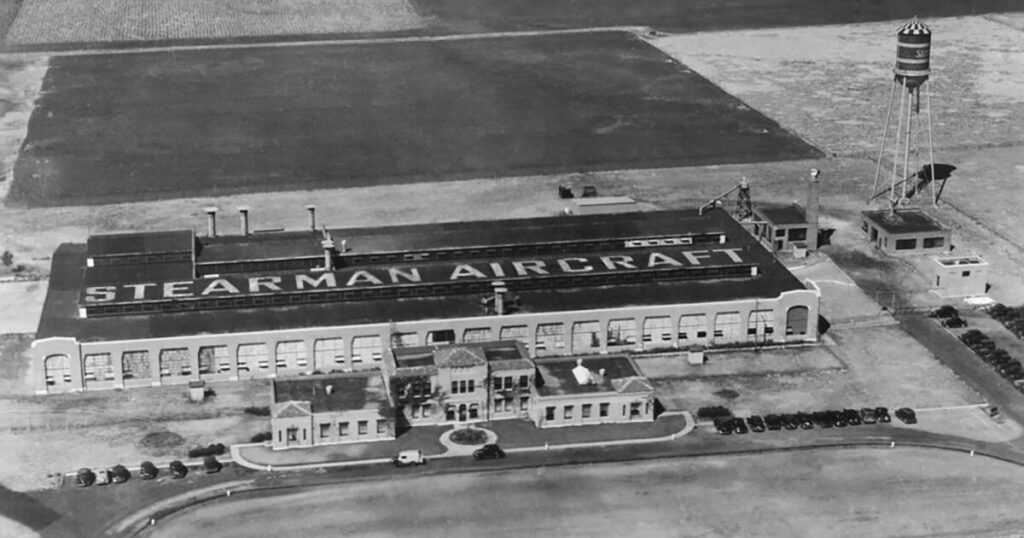
The Stearman was originally designed by the Stearman Aircraft Company, which was acquired by Boeing in 1934. The aircraft was conceived at a time when military aviation doctrine still favoured simple, rugged trainers capable of operating from unprepared airfields and withstanding repeated student abuse.
As global tensions increased in the late 1930s, the need for a scalable, reliable primary trainer became critical. The Stearman’s straightforward design and ease of manufacture made it ideally suited to mass production.
Wartime Expansion
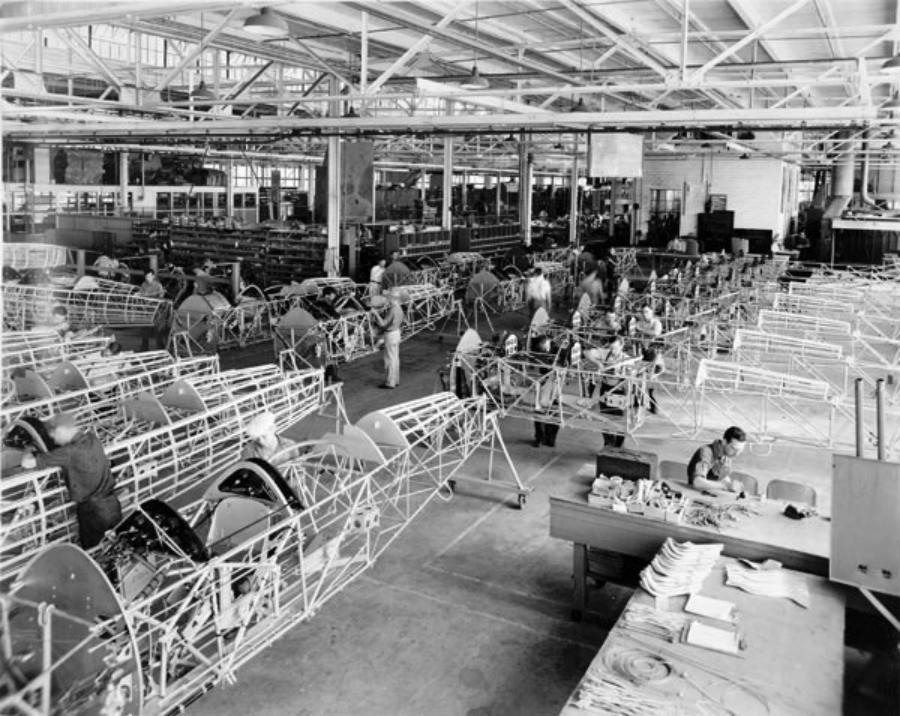
With the outbreak of the Second World War, production of the Model 75 accelerated dramatically. Thousands were built for the United States Army Air Forces, United States Navy, and Allied nations, making the Stearman one of the most produced military trainers of the era.
Airframe and Structural Design
Fuselage Construction
The Stearman features a welded steel tube fuselage covered with fabric, a construction method chosen for strength, ease of repair, and resistance to damage in training environments. This rugged approach allowed aircraft to be repaired quickly in the field, often with minimal tooling.
Wing Configuration
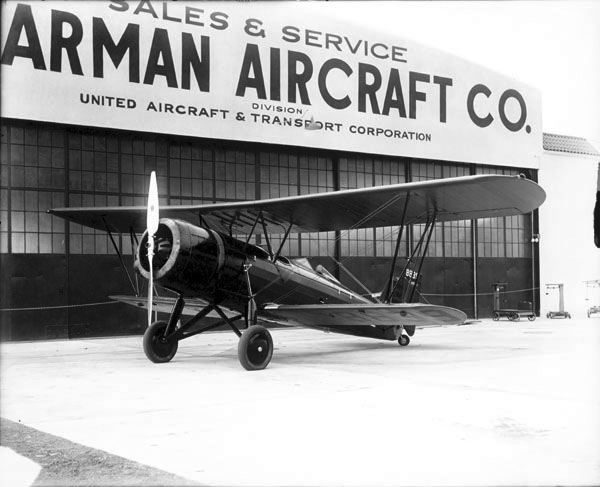
The aircraft is a two-bay biplane, with upper and lower wings connected by interplane struts and bracing wires. This configuration provided high lift at low speeds, excellent stability, and predictable stall behaviour—ideal characteristics for novice pilots.
The trade-off was increased drag, limiting cruise speed but reinforcing the Stearman’s role as a trainer rather than a performance aircraft.
Empennage
A conventional tailplane with large control surfaces ensured strong pitch and yaw authority. Combined with the biplane wing arrangement, this gave the Stearman its famously stable handling characteristics.
Technical Specifications
General Characteristics
- Role: Primary Military Trainer
- Crew: 2 (Student & Instructor)
- Configuration: Biplane
- Landing Gear: Fixed Tailwheel
Aircraft Dimensions
- Wingspan: 9.81m / 32ft 2in
- Length: 7.54m / 24ft 9in
Aircraft Weights
- Empty Weight: 1,020kg (approx)
- Max Take-Off Weight: 1,230kg
Performance
- Max Speed: 205 km/h (127 mph)
- Cruise Speed: 170 km/h (106 mph)
- Range: 800 km
- Service Ceiling: 4,000m (13,200ft)
Powerplant
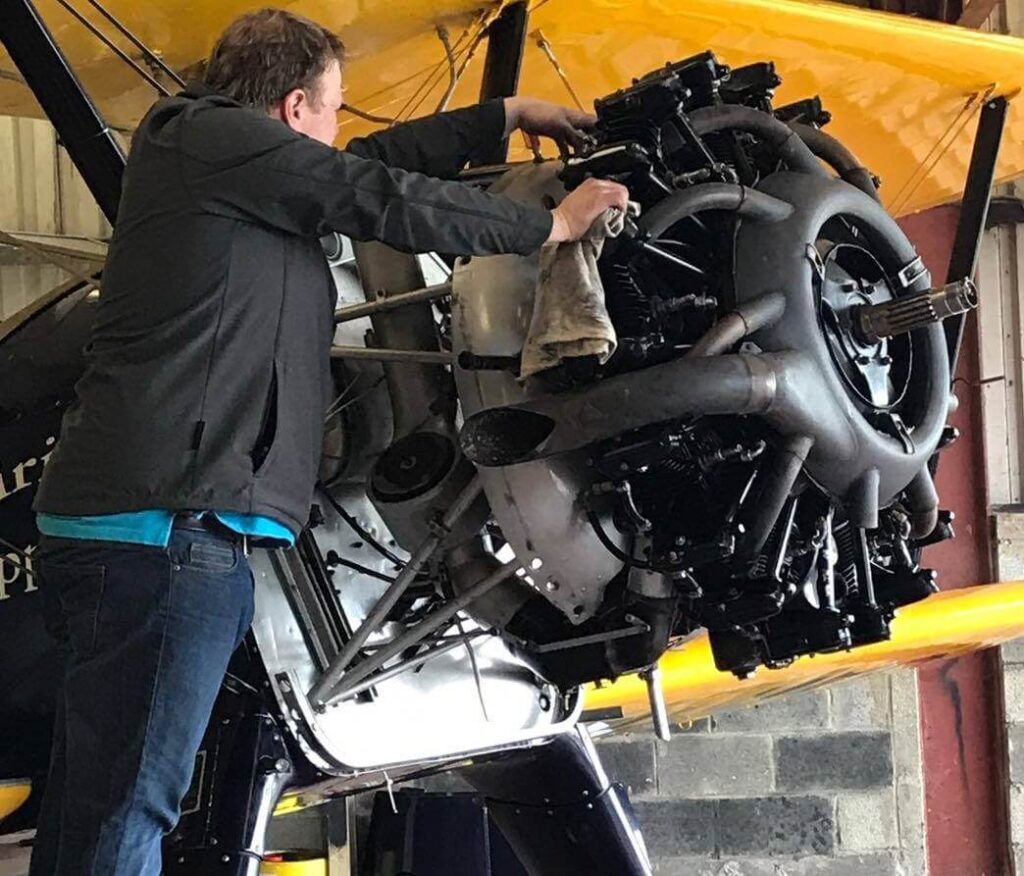
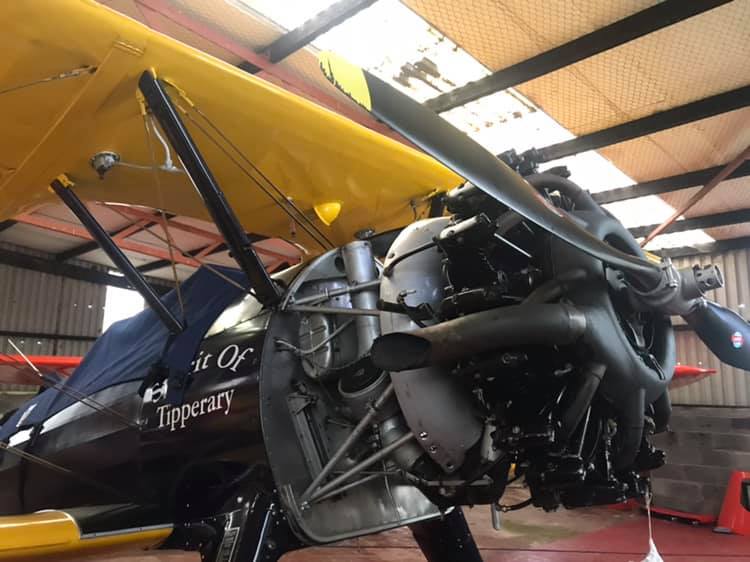
The Model 75 was produced with several radial engine variants, most commonly from the Lycoming R-680 and Continental R-670 families, producing between 220 and 240 horsepower depending on configuration.
Radial engines were selected for their:
- Mechanical simplicity
- Excellent low-speed torque
- Ability to withstand prolonged high-power operation
The large frontal area of the radial engine increased drag but contributed to cooling reliability and ease of maintenance.
Propeller
Handling & Flight Characteristics
Low-Speed & Training Behavior
The Stearman’s large wing area and biplane configuration result in exceptionally stable low-speed handling. Stalls are gentle and well-signposted, making the aircraft particularly suitable for early flight instruction.
Aerobatic Capability
While not designed as an aerobatic aircraft, the Stearman is structurally robust and capable of basic manoeuvres. Its strong airframe later made it popular for display flying and airshow performances.
Ground Handling
Cockpit & Pilot Environment
Cockpit Layout
Visibility and Exposure
Operational Service
Military & Training
During the Second World War, the Stearman formed the backbone of primary flight training for Allied air forces. Thousands of pilots logged their first solo flights in the type before progressing to more advanced trainers and combat aircraft.
Its reliability and tolerance of student error contributed significantly to the rapid expansion of trained aircrew during wartime.
Post-War Civilian Use
Variants & Production
The Model 75 was produced in numerous sub-variants, primarily differentiated by engine type and military designation. Despite these differences, the airframe remained largely consistent, allowing parts and maintenance practices to be shared across the fleet.
This standardisation contributed greatly to the aircraft’s longevity and continued operation.
Legacy & Continued Operation
Today, the Boeing Stearman is an enduring symbol of early military aviation. Its unmistakable silhouette, radial engine sound, and open cockpit experience continue to captivate pilots and spectators alike.
Flying examples preserve not only the aircraft itself, but the physical experience of wartime flight training—an era defined by mechanical simplicity, direct pilot input, and fundamental airmanship.
The Stearman Today
The IHFF Stearman
The IHFF currently operates a single Boeing Stearman – “The Spirit of Tipperary”