
Revolutionizing Aircraft Fabric Covering
In the world of aviation, where lightweight yet durable materials are paramount, Ceconite stands out as a pioneering synthetic fabric that has transformed how aircraft are covered. Developed as a modern alternative to traditional organic fabrics like cotton and linen, Ceconite is a brand name for a family of polyester-based covering products used primarily on light aircraft with open structures, such as tube-and-fabric designs.
This material not only enhances the longevity and performance of aircraft but also simplifies maintenance and restoration processes. For museum visitors interested in aviation history, understanding Ceconite provides insight into the evolution from early biplanes to contemporary homebuilts and restored classics. Its adoption marked a shift toward synthetic materials post-World War II, offering superior resistance to environmental degradation while maintaining the aesthetic and functional qualities of fabric-covered wings and fuselages.
History and Development
The story of Ceconite begins in the mid-20th century, amid advancements in synthetic polymers following World War II. Early aircraft, like the Wright Flyer in 1903, relied on cotton or linen fabrics doped with cellulose nitrate to create a taut, aerodynamic skin over wooden frames. These organic materials were prone to rotting, UV damage, and required frequent replacement—typically lasting only 6-7 years when exposed to the elements.
By the 1950s, innovators sought better alternatives. In 1958, aviation enthusiast Ray Stits experimented with polyethylene terephthalate (PET), a synthetic fiber known commercially as Dacron. He adapted this material for aircraft use, naming it Ceconite. By 1965, Stits’ system, marketed as Poly-Fiber, received FAA approval via a Supplemental Type Certificate (STC), allowing its use on certified aircraft. Ceconite became the fabric component of this system, paired with specialized adhesives, sealers, and paints.
The brand Ceconite is now owned by Consolidated Aircraft Coatings, which continues to produce and distribute it. Its development was driven by the need for a fabric that wouldn’t degrade like cotton, offering a “lifetime” solution for many applications. Over the decades, Ceconite has been refined, with variants tailored for different aircraft types, and it remains a staple in restoration projects at museums and airfields worldwide.
Composition and Manufacturing
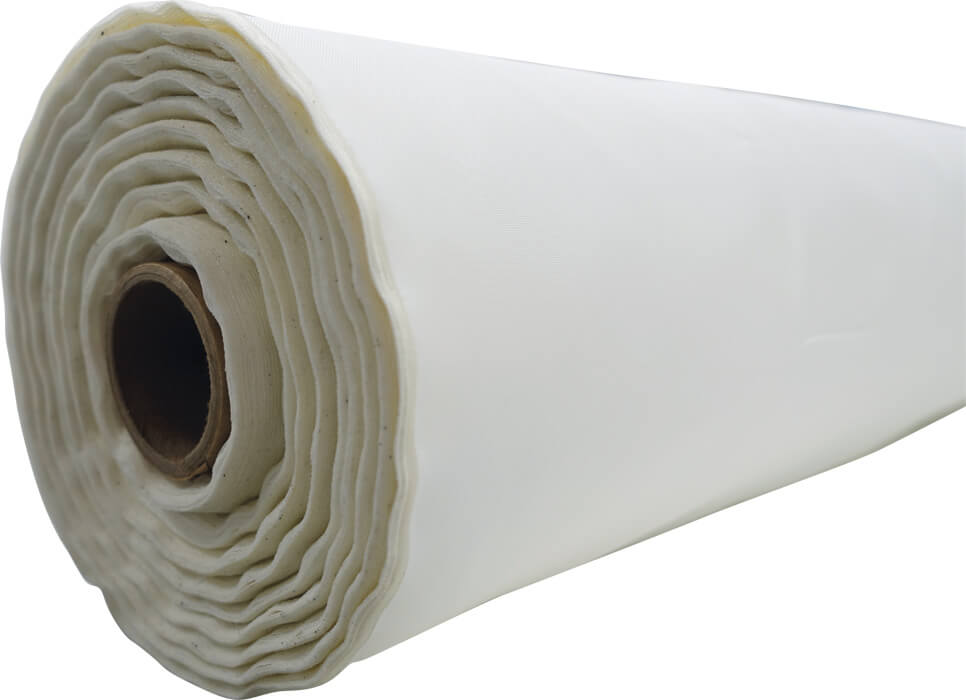
Ceconite is composed of high-tenacity polyester yarns, specifically heat-shrinkable PET fibers. These fibers are extruded from molten PET polymer, drawn into fine threads, and woven into a plain-weave fabric. The manufacturing process involves spinning the polyester into yarns, weaving them on industrial looms to achieve precise thread counts and weights, and then treating the fabric to enhance adhesion to coatings and resistance to environmental factors. Unlike traditional fabrics, Ceconite is engineered to shrink uniformly when heated, typically 10-12% in both directions, ensuring a tight fit without the variability of dope-shrinking methods.
Key variants include:
- Ceconite 101: A certified heavy fabric at 3.5 oz/yd² (119 g/m²), ideal for larger aircraft.
- Ceconite 102: Slightly lighter at 3.16 oz/yd² (107 g/m²), commonly used for general aviation.
- Uncertified Light: 1.87 oz/yd² (63 g/m²) for ultralights and experimental planes.
These specifications meet FAA Technical Standard Orders (TSO-C15d) and Aerospace Material Specifications (AMS 3806D), ensuring strength exceeding 70 pounds per inch in tensile tests.
The Application Process
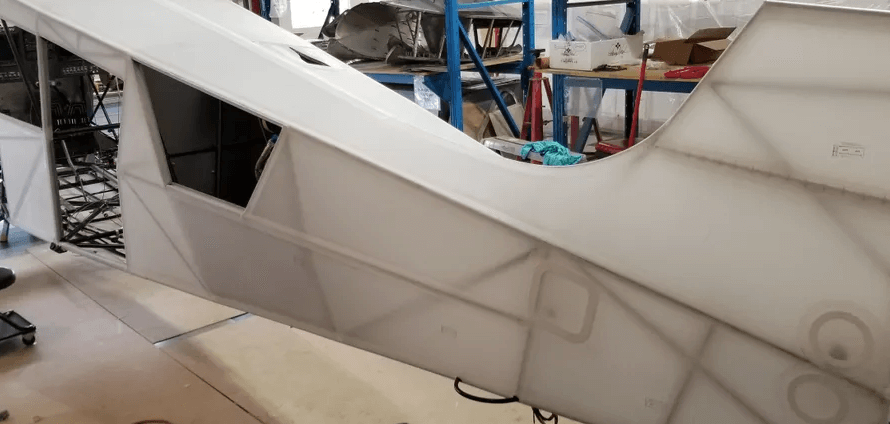
Applying Ceconite to an aircraft is a meticulous process that combines modern chemistry with traditional craftsmanship. First, the airframe—often welded steel tubes or wooden spars—is inspected and prepared, removing old coverings and treating for corrosion. The fabric is cut to size, sometimes using pre-sewn envelopes for fuselages to save time.
Attachment begins with a fabric cement like Poly-Tak, a vinyl-based glue that bonds the material to the structure. Rib-stitching, rivets, or capstrips secure it further, followed by fabric tapes over seams. The key step is heat-shrinking: Using a calibrated iron at 250-350°F (121-177°C), the fabric is tautened evenly, eliminating wrinkles and achieving aerodynamic smoothness.
Next, a sealer like Poly-Brush is applied to fill the weave and provide UV protection, followed by multiple coats of Poly-Spray for build-up and sanding. Finally, colored Poly-Tone paint is sprayed on for the finish. This non-flammable, vinyl-based system contrasts with older nitrate or butyrate dopes, which were highly flammable. The entire process, documented under STCs, ensures airworthiness and can take weeks for a full aircraft.
Advantages and Uses in Aviation
Ceconite’s primary advantages lie in its durability and low maintenance. Unlike cotton, which rots and requires flammable dopes, Ceconite resists moisture, mildew, and UV rays, lasting over 20 years outdoors. It’s stronger, with better tear resistance, and easier to repair—patches can be glued and shrunk without extensive sewing. Shrinking is predictable and repeatable, reducing errors during application.
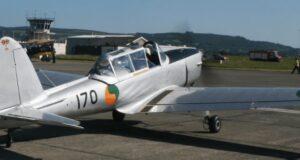
In aviation, Ceconite is used on a wide range of aircraft, from vintage restorations like Piper Cubs and de Havilland Tiger Moths to modern homebuilts and ultralights. It’s integral to systems like Poly-Fiber and Ceconite’s own processes, approved for certified planes via STCs. Museums often employ it in preserving artifacts, as seen in the Smithsonian’s use on the Martin B-26 Marauder “Flak-Bait,” where it protects original doped fabric beneath. Its lightweight nature (saving up to 50-100 pounds compared to metal skins) contributes to better fuel efficiency and performance in light aircraft.
Ceconite represents a pivotal advancement in aviation materials, bridging historical fabric traditions with modern synthetic reliability. For museum-goers, it illustrates how innovation extends the life of classic aircraft, allowing future generations to appreciate their engineering. Whether on a restored warbird or a new experimental plane, Ceconite ensures safety, longevity, and the timeless appeal of fabric-covered flight. As aviation evolves, materials like Ceconite remind us of the ingenuity that keeps history aloft.